'I must tell you that I make an effort every day to contain the indignation I feel seeing you behave so carelessly with me.'
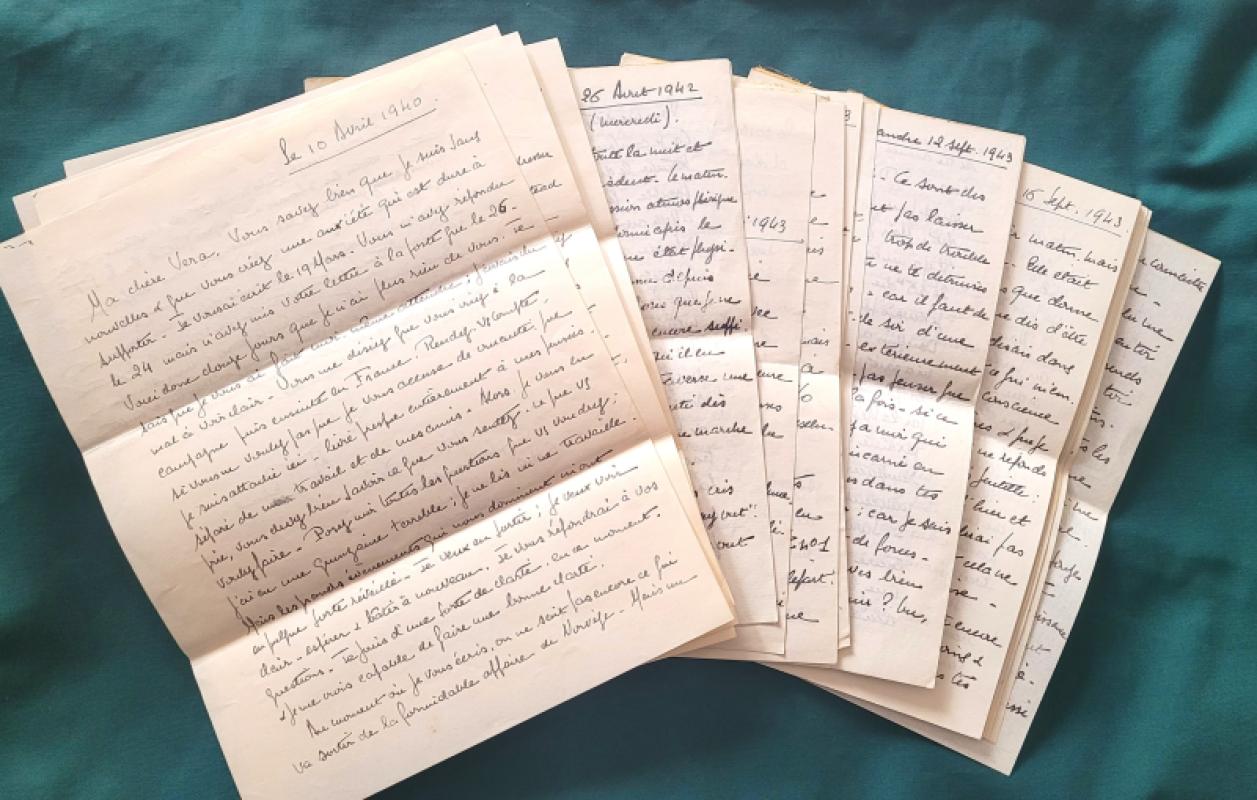
Book Description
A series of 13 emotionally tortured letters in French (all 13 letters have been rendered into English) from Michel Saint-Denis [1897-1971] to the much younger English actress, Vera Lindsay [1911-1992]. Saint Denis was one of the foremost theatre practitioners of the twentieth century. He began his career as assistant to his uncle, Jacques Copeau, eventually taking over the leadership of The Quinze, Copeau's company of young actors. In 1931, Saint-Denis brought the troupe to London, where their physicality and fusion of Japanese Noh traditions and Commedia-style mask work caused a sensation. Returning to France, he found himself facing problems on many fronts: funding, infighting and professional jealousies. The contacts he had made with a rising generation of British actors, amongst them Laurence Olivier and Peggy Ashcroft, suggested a fertile ground for his ideas. During the 1930s, he produced several plays in England, making many converts to his philosophy of what a progressive non-Boulevard theatre might be. Among the younger actors who fell under his influence was Vera Lindsay, nee Poliakoff. Born in St Petersburg, she was brought to England by her parents after the Russian Revolution. Vera was a member of Saint Denis' acting company, both in France and in England, and played Olivia in his production of Twelfth Night in 1938. These letters demonstrate that their relationship went beyond the professional, something that no previous biographer of Saint-Denis appears to have noted. The correspondence runs from 1940, when Saint Denis was back in uniform in the French army, returning to England during the retreat from Dunkirk, through to 1944, when he was working with the BBC broadcasting to Occupied France. The letters, often several pages long, chart his tortured feelings for Vera, fourteen years his junior, clearly holding out the - eventually forlorn - hope that they might rekindle their pre-war relationship. Throughout the 1930s, Vera was married to an army officer, Major Basil Burton, and eventually divorced in 1940. She went on to marry the newspaper editor, Gerald Barry, in 1944. Saint Denis was also married. Marie Ostroga, who had remained in France and was involved with another woman, Marie-Madeleine Gautier, an actress. Towards the end of the correspondence, Saint Denis appears to be encouraging Vera to continue in the theatre, but Lindsay (now Barry) retired from the stage and became known as a promoter of the Arts in England. Post-war, Saint Denis founded an acting school at the Old Vic, before playing an important role in Canada, France and New York, where he was instrumental in developing the Juilliard School's drama division. While the letters clearly show a man struggling with intense emotional distress, they also reveal how his self-pity takes on an often unpleasant, bullying, harassing tone. A unique, insightful archive of letters from a man who played an outsize role in the post-war training of actors in Europe, England and the USA.
Author
Michel Saint-Denis, French theatre director who had a profound influence on a golden generation of British actors pre and post WW2
Date
1940s
Binding
no binding
Publisher
n/a
Condition
VG
Pages
multiple
Other books
If you liked the book you've just seen, you might be interested in other books from the same dealer below.
'I must tell you that I make an effort every day t...
Michel Saint-Denis, French theatre director who had a profound influence on a golden generation of British actors pre and post WW2
n/a
£495.00
Offered by Wool House Autographic
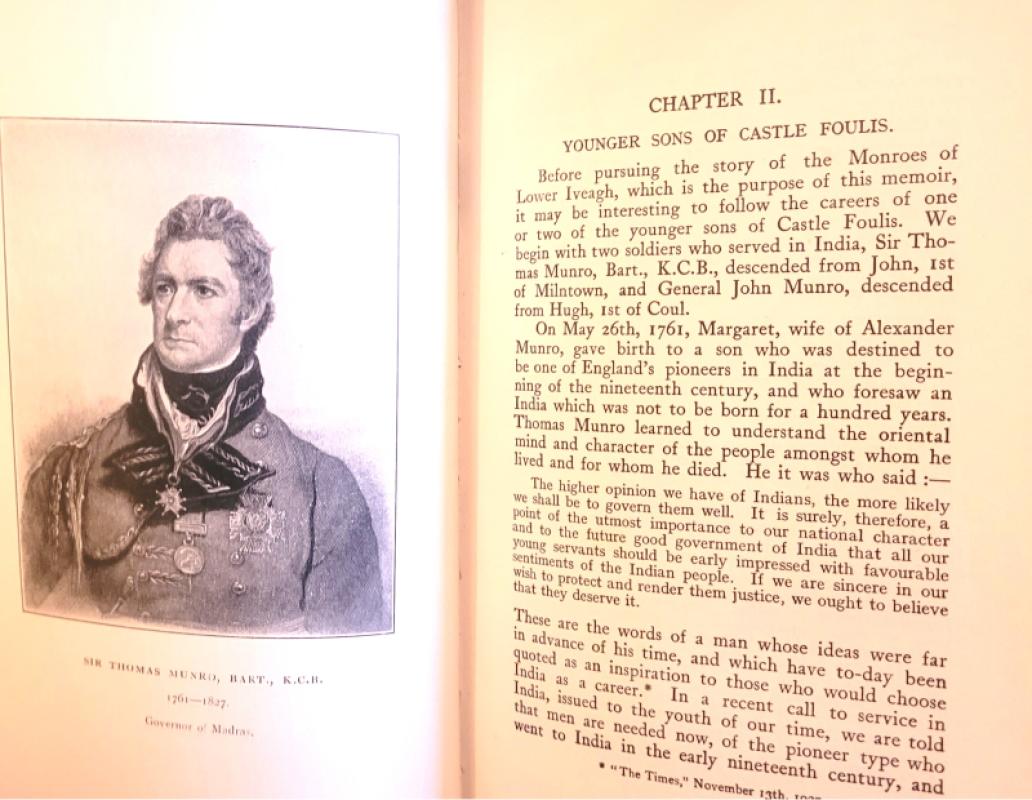
Foulis Castle and the Monroes of Lower Iveagh (Iri...
Horace Monroe
Mitchell, Hughes and Clarke
£150.00
Offered by Wool House Autographic
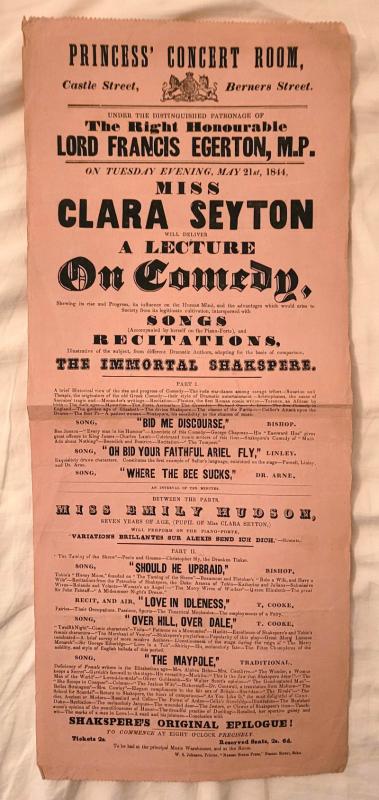
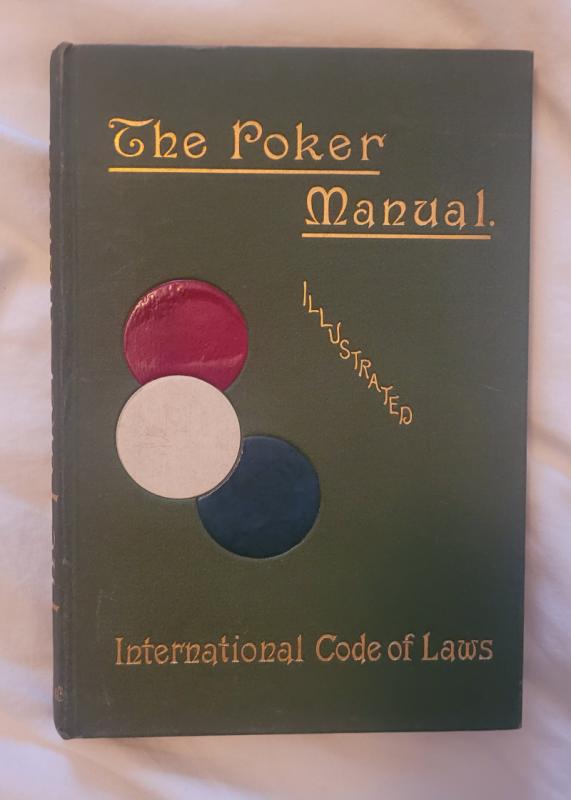
'Bluffing... is the finesse of Poker...without it...
Templar
Warne
£80.00
Offered by Wool House Autographic
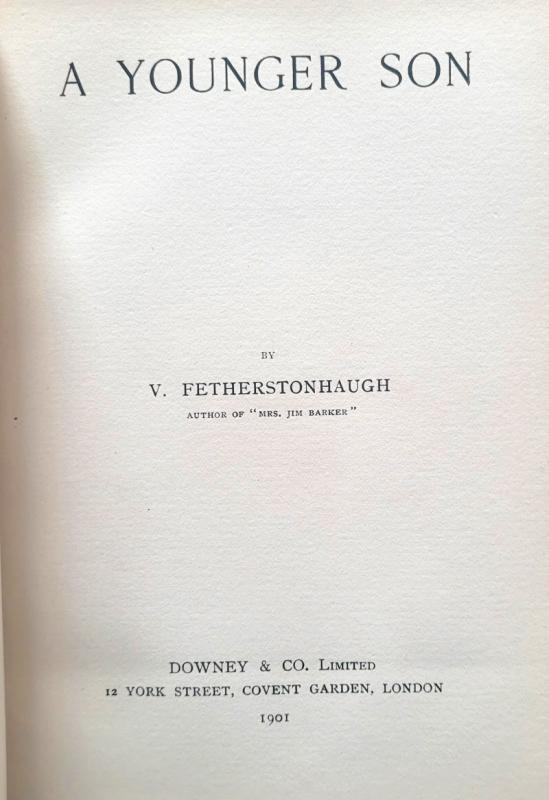
Two late Victorian titles with Canadian interest b...
V[era] Fetherstonhaugh
Downey and Co. and Chapman & Hall
£250.00
Offered by Wool House Autographic
Friends of the PBFA
For £10 get free entry to our fairs, updates from the PBFA and more.
Please email info@pbfa.org for more information