A History of the English-Speaking Peoples
Book Description
Volume I: The Birth of Britain. –Volume II: The New World. –Volume III: The Age of Revolution. –Volume IV: The Great Democracies.
4 volumes, octavo (241 x 153mm), pp. I: [2 (blank l.)], xxi, [1 (blank)], 416; II: [2 (blank l.)], xi, [1 (blank)], 344, [2 (blank l.)]; III: [2 (blank l.)], xi, [1 (blank)], 332, [6 (blank ll.)]; IV: [2 (blank l.)], xi, [1 (blank)], 322. Publisher’s device on titles. 40 full-page maps and plans in the text by Perrin et al. 5 full-page genealogical tables. (Occasional small marks, some possibly production flaws.) Original burgundy cloth by The Leighton-Straker Bookbinding Company, Limited, spines lettered in gilt, top edges red, dustwrappers, not price-clipped. (Extremities minimally rubbed and bumped, vol. I boards slightly bowed, dustwrappers faded on spines and outer edges, minor tears or chips at edges, marked and scratched on lower panel of vol. IV.) A very good, internally clean set. Provenance: Henry Sotheran Ltd, 2-5 Sackville St, London (bookseller’s ticket of c. 1960-1990 on upper pastedown of vol. I). ¶¶¶
Dealer Notes
Spanning the period from the Roman invasion of Britain in 55BC to the beginning of the twentieth century, Churchill felt that his work had not become less relevant in the quarter century that separated the book’s commission and publication:
'If there was a need for it before, that has certainly not passed away. For the second time in the present century the British Empire and the United States have stood together facing the perils of war on the largest scale known among men, and since the cannons ceased to fire and the bombs to burst we have become more conscious of our common duty to the human race. Language, law, and the processes by which we have come into being, already afforded a unique foundation for drawing together and portraying a concerted task. I thought when I began that such a unity might well notably influence the destiny of the world. Certainly I do not feel that the need for this has diminished in any way in the twenty years that have passed (loc. cit.)'. ¶¶
This first edition of A History of the English-Speaking Peoples was published by Cassell between 1956 and 1958 (the first volume appeared on 23 April 1956, St George’s Day), and ‘[p]ublic and academic opinion was adulatory’ (F. Woods, Artillery of Words: The Writings of Sir Winston Churchill (London, 1992), p. 145), while understanding that Churchill’s work did not – as he stated in the introduction to the first volume – ‘seek to rival the works of professional historians’ but rather ‘to present a personal view on the processes whereby English-speaking peoples throughout the world have achieved their distinctive position and character. I write about things in our past that appear significant to me, and I do so as one not without some experience of historical and violent events in our own time’ (p. viii). Less overt, perhaps, was the author’s intention of consolidating the ‘special relationship’ between the British Empire and an isolationist United States, a relationship which seemed of the greatest importance in the face of the rising aggression of Nazi Germany as Churchill began working on the book in late 1930s and equally so when he finished writing it in the Cold War era – a time when he perceived Britain and the United States as democracy’s great bulwark against the threat of communism (the phrases ‘special relationship’ and ‘iron curtain’ were both coined in Churchill’s ‘Sinews of Peace’ speech given at Westminster College, Fulton, MO some ten years earlier on 5 March 1956). ¶¶
Cohen A267.1(I).a, A267.1(II).a, A267.1(III).a, and A267.1(IV). ¶¶¶
Other books
If you liked the book you've just seen, you might be interested in other books from the same dealer below.
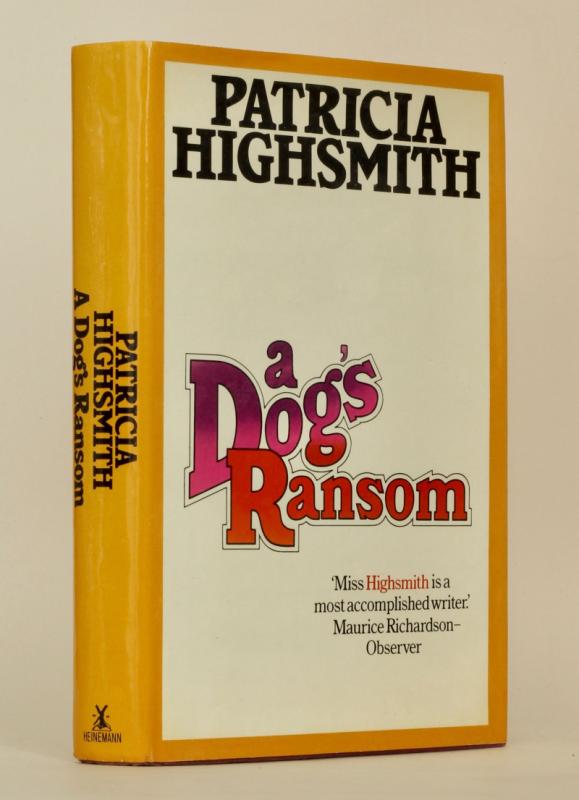
A Dog’s Ransom.
HIGHSMITH, (Mary) Patricia.
London: Cox & Wyman Ltd for William Heinemann Ltd.
£15.00
Offered by Type & Forme
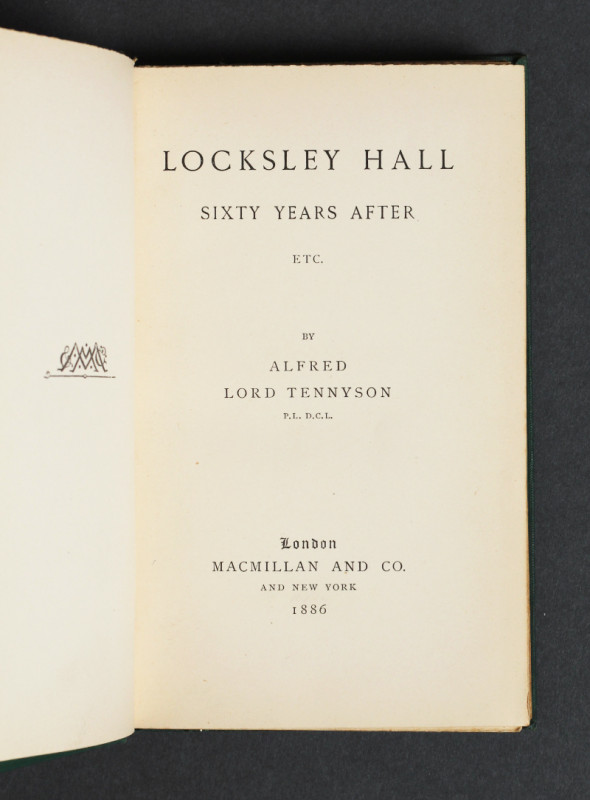
Locksley Hall Sixty Years After Etc.
TENNYSON, Alfred, Baron TENNYSON
London: R. & R. Clark for Macmillan and Co.
£39.50
Offered by Type & Forme
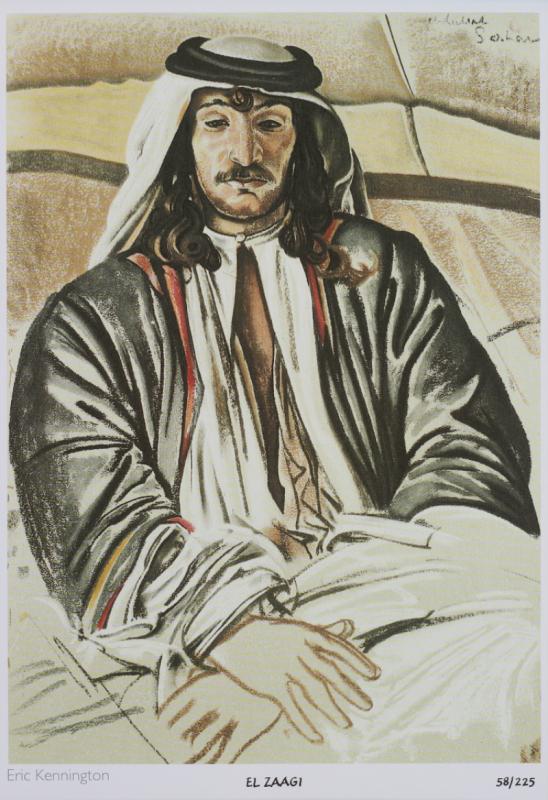
‘El Zaagi’ [portrait for Seven Pillars of Wisdom,...
[T.E. Lawrence] -- KENNINGTON, Eric Henri
Fordingbridge: Castle Hill Press
£95.00
Offered by Type & Forme
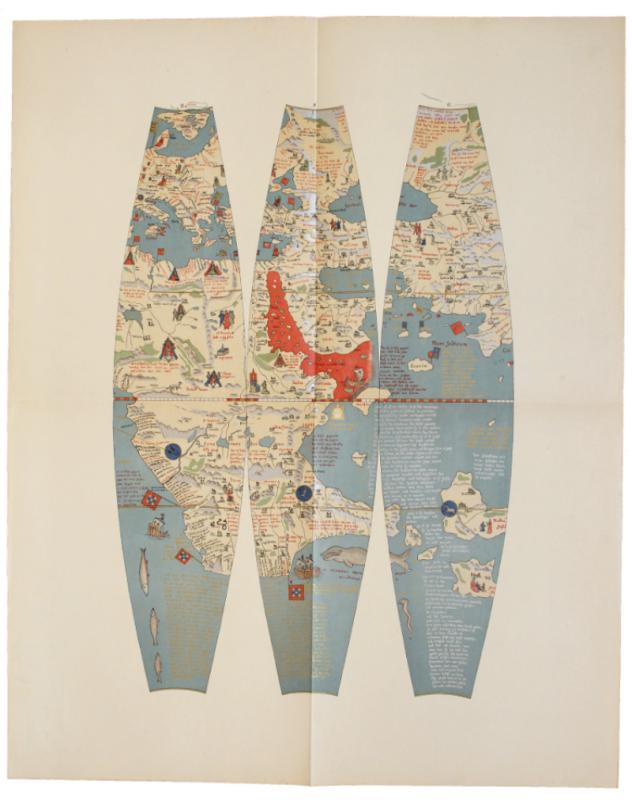
Martin Behaim. His Life and his Globe ... With a F...
RAVENSTEIN, Ernst Georg
London: George Philip & Son, Ltd.
£275.00
Offered by Type & Forme
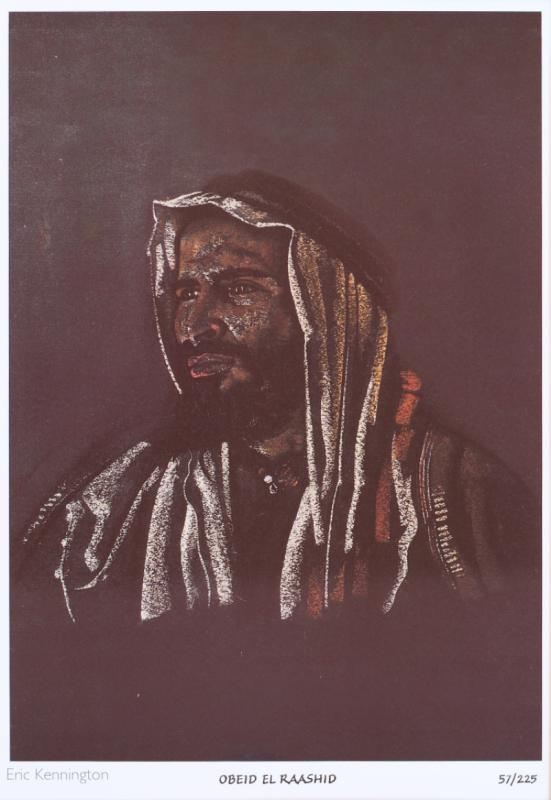
‘Obeid el Raashid’ [portrait for Seven Pillars of...
[T.E. Lawrence] -- KENNINGTON, Eric Henri
Fordingbridge: Castle Hill Press
£95.00
Offered by Type & Forme
Dr. Livingstone, I Presume? [from the library of Q...
ANSTRUTHER, Sir Ian Fife Campbell, Bt.
New York: E.P. Dutton and Co., Inc.
£19.50
Offered by Type & Forme
Three Letters from the Andes
FERMOR, Sir Patrick Michael Leigh and John CRAXTON (artist)
London: Butler & Tanner Ltd for John Murray
£39.50
Offered by Type & Forme
Cambridge Poetry 1930. (Hogarth Living Poets No. 1...
DAVENPORT, John, Hugh Sykes DAVIES and Michael REDGRAVE (editors)
London: Neill & Co., Ltd. for Leonard & Virginia Woolf at The Hogarth Press
£175.00
Offered by Type & Forme
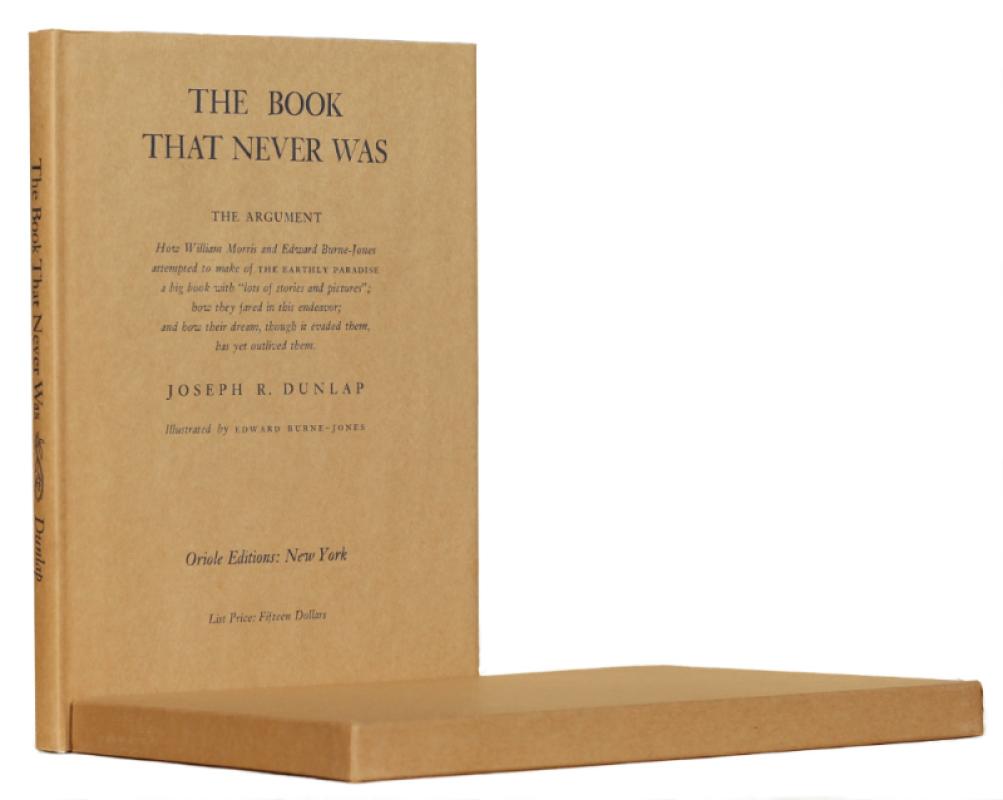
The Book that Never Was. ... William Morris and Ed...
DUNLAP, Joseph Riggs
New York: Oriole Editions
£49.50
Offered by Type & Forme
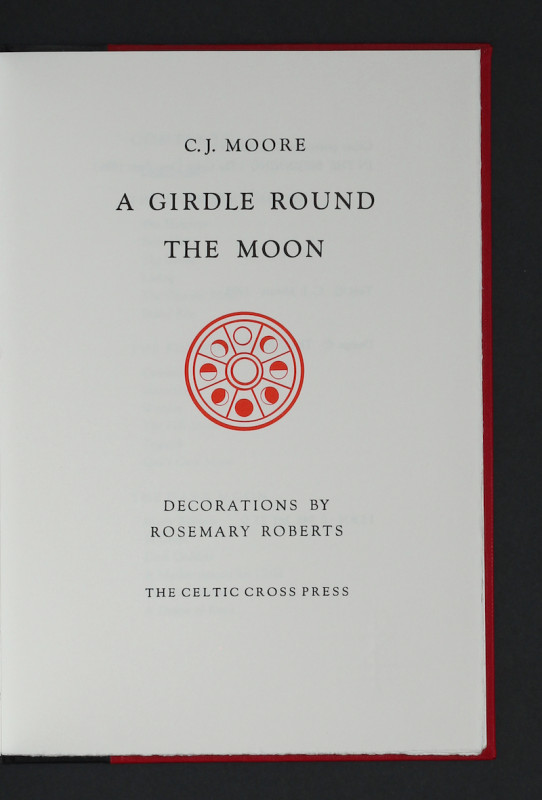
A Girdle Round the Moon [one of 125 copies signed...
MOORE, Christopher J. and Rosemary ROBERTS (artist)
Lastingham: The Celtic Cross Press
£39.50
Offered by Type & Forme
Friends of the PBFA
Please email info@pbfa.org for more information